August 27, 2026
Caregiver Burnout: How to Prevent It
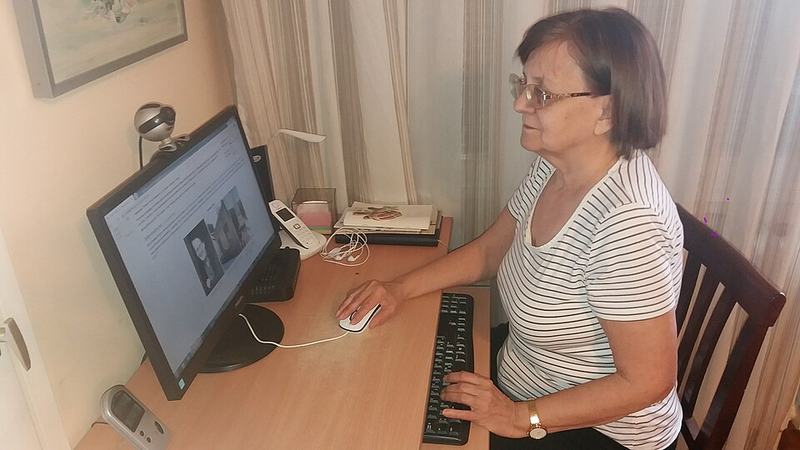
Caring for an aging parent, spouse, or family member is, often, an act of love sustained for years — and also a real physical and emotional toll, one that tends to get minimized because 'it's just what you do.' Caregiver burnout describes exactly that accumulated exhaustion, and recognizing it early keeps it from eventually affecting both the caregiver and the person receiving care. It isn't a sign of weakness or lack of love: it's an expected response to a sustained demand that, in many cases, gets carried with no real break for years.
Warning signs in the caregiver
- Physical exhaustion that doesn't improve with normal rest.
- Growing irritability or impatience, even over small requests.
- Feeling 'always on call,' with no real moments of disconnecting.
- Neglecting your own health (postponed checkups, poor eating habits).
- Guilt at the thought of asking for help or taking a break.
- Self-isolation: dropping friends or personal activities for lack of time.
How it gets to that point
Caregiver burnout rarely shows up all at once — it builds gradually, out of small trade-offs that seem reasonable in the moment: skipping the gym 'just this week,' postponing time with friends 'until things settle down,' not asking for help because 'it's faster if I just do it myself.' Each of those decisions, taken on its own, seems manageable. Added up over months or years, though, they slowly drain the caregiver's emotional and physical reserves, until they reach a point of exhaustion that can take a long time to reverse.
The impact on the caregiver's physical health
Caregiver burnout isn't just emotional. Family caregivers sustaining this over time tend to report more back pain (from the physical demands of assisting another person), sleep problems, and worse management of their own chronic conditions, precisely because they postpone their own medical checkups to prioritize the person they're caring for. This paradox — caring so intensely for someone else that you neglect your own health — is one of the most consistent patterns in caregiver burnout, and one reason reversing it takes more than 'willpower': it requires concrete changes in how the caregiving load is distributed.
The impact on the quality of care provided
There's a common misconception that sacrificing your own well-being is the most devoted way to care for someone. In practice, the opposite happens: a burned-out caregiver has less patience, less capacity to calmly solve problems, and a higher risk of developing their own depression or anxiety, all of which ends up directly affecting the quality of care they're able to give. Taking care of yourself, in this context, isn't a selfish luxury — it's a necessary condition for being able to sustain care for someone else over time, without breaking in the process.
Support networks that are often underused
Beyond immediate family, there are support resources many caregivers don't know about or don't consider until they're already deeply exhausted: caregiver support groups (in person or online, where sharing the experience with others in the same situation greatly reduces the sense of isolation), respite care services for a few hours or days that allow for a real break without needing a permanent solution, and support from a therapist specifically to process your own exhaustion, not just to 'cope better.' Seeking out these resources before hitting a wall, rather than as a desperate last resort, makes a real difference in how long you can sustain care without breaking down.
Why asking for help isn't failing
There's a deeply ingrained idea that caring well means doing it all yourself, with no outside help. In practice, sustaining that pace without support almost always ends in exhaustion — and an exhausted caregiver provides worse care, not better. Sharing tasks with other family members, hiring occasional help, or considering support from a senior living community isn't giving up on caregiving — it's a way of sustaining it over time without burning out in the process.
When the family delegates tasks, not the relationship
A community handles the daily logistics of care — medication, meals, hygiene, supervision — but that doesn't replace the emotional bond, which remains the family's responsibility and privilege. Separating these two things helps the decision to seek professional support feel less like abandonment and more like a more sustainable way of staying present. In fact, many families report that the quality of time spent together improves once the logistical load stops falling entirely on them, because visits become dedicated to the relationship instead of day-to-day operational tasks.
How to share the load among siblings or relatives
A common pattern in families with multiple children is that the caregiving load ends up falling, almost by default, on whoever lives closest or 'has more free time' — without ever having an explicit conversation about how to distribute tasks more evenly. Over time, that imbalance breeds resentment, even when no one says so openly. Having a direct family conversation about who can contribute what — hands-on time, financial support, coordinating paperwork, regular phone check-ins — keeps one person from carrying the full weight of caregiver burnout while the rest of the family, without meaning any harm, simply doesn't grasp what it takes to sustain that role day after day.
Signs that things have already reached a critical point
There's a point where caregiver exhaustion stops being a manageable annoyance and becomes a genuine risk, both for the caregiver and the person receiving care: thoughts of not being able to go on, moments of losing control around the person being cared for (yelling, harsh treatment that didn't happen before), physical symptoms that no longer ease with rest, or simply feeling emotionally 'checked out' from the caregiving task. Reaching this point isn't a personal failure — it's a clear sign that the current support structure isn't sustainable, and that a real change is needed, not just a one-weekend break.
See how Palermia makes that day-to-day connection easier without the family having to stay on top of every logistical detail of care.