August 13, 2026
How to Prevent Loneliness in Older Adults
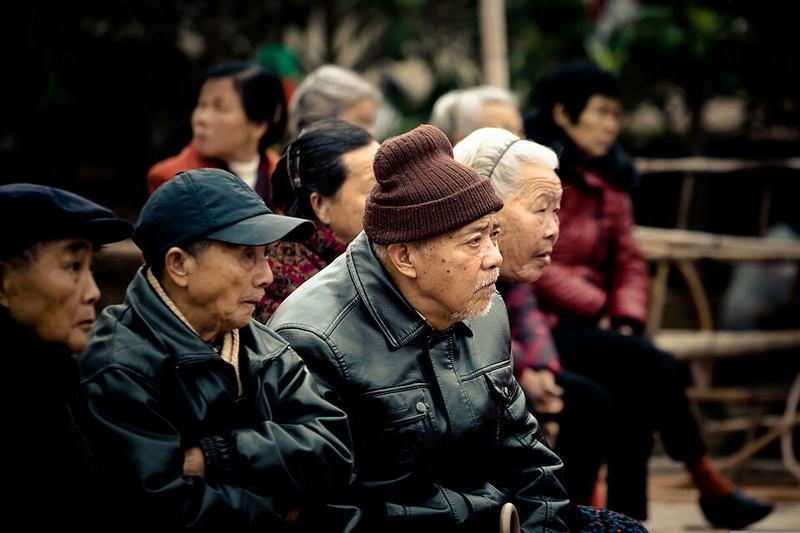
Loneliness in older adults isn't just an emotional matter. Various studies link it to higher cardiovascular risk, faster cognitive decline, and worse health outcomes overall. Preventing it is, in a very concrete sense, a public health issue as much as an individual well-being one.
In home care
- Sustain social activities outside the home, not just family visits.
- Encourage the use of simple technology for video calls and messaging.
- Involve the older adult in everyday decisions, so they don't feel sidelined.
In a senior living community
Contrary to what many think, living at a community doesn't automatically eliminate loneliness — some people isolate themselves anyway, even surrounded by others. What does help is active participation in recreational activities and sustaining a regular relationship with family, not just spaced-out visits.
Many families feel guilty about not being able to visit as often as they'd like — something we cover in depth in the guilt of not visiting an aging family member often enough — without realizing there are ways to be present that don't require being physically there every day.
The role of daily communication
Knowing that someone on the other end is paying attention — even just through a photo or a message — measurably reduces the feeling of isolation. It's one of the reasons more and more communities are adopting daily communication tools as part of their well-being strategy, not just as an administrative service.
Loneliness and social isolation aren't the same thing
It's worth distinguishing between two concepts that are often used as synonyms but aren't. Social isolation is objective: it refers to the actual number of social contacts a person has, measurable in visits, calls, or shared activities. Loneliness, on the other hand, is subjective: it's the perception of being alone, which can show up even surrounded by people, or be absent despite objectively low social contact. An older adult might have few visits and feel at peace with that, while another, with an apparently active social life, might feel deeply lonely if those relationships don't feel genuine or meaningful. This distinction matters because the fix isn't always 'more people around' — sometimes it's the quality and meaning of the relationship that needs work, not just the quantity.
The evidence on the consequences of sustained loneliness and isolation in old age is compelling: higher cardiovascular risk, faster cognitive decline, a weakened immune system, and a mortality risk that, according to some studies, is comparable to other well-established medical risk factors. This has led public health bodies in various countries to start treating chronic loneliness in older adults as a public health issue in its own right, not just a secondary emotional well-being concern.
Avoidable isolation as a form of neglect
From the perspective of older adults' rights, allowing a person to remain isolated in a sustained, avoidable way — when reasonable means exist to prevent it — is considered a form of neglect, distinct from but just as real as physical neglect. This applies both at the family level and the institutional one: a community that doesn't actively promote its residents' social participation, or a family that cuts off contact without justified cause, is, in effect, violating that person's right to social participation, which international frameworks on aging recognize as part of a dignified life in old age.
The role of pets and nature
Animal companionship has a documented effect on feelings of loneliness in older adults: caring for, or simply living alongside, a pet provides a routine, a purpose, and a source of unconditional affection that complements — without replacing — human connection. Many communities already run animal-assisted therapy programs, with regular visits from trained dogs, precisely because of this well-established positive effect on residents' mood and social interaction, even among people who are otherwise reluctant to join other group activities.
Contact with green spaces and exposure to natural light also affect mood, with well-studied effects on reducing depressive symptoms. A courtyard, a terrace, or simply windows that let in good natural light in common areas aren't just an aesthetic detail — they play a real role in the everyday emotional well-being of people who spend much of their day in that environment.
Loneliness isn't experienced the same way in every case
Recent widowhood is one of the biggest risk factors for severe loneliness in older adults, particularly when the deceased spouse was the main — sometimes only — source of daily companionship. Different studies also show differences by gender: older women, on average, tend to maintain broader and more diverse social networks throughout life, while older men more often relied on their spouse or now-defunct work relationships as their main source of social connection, leaving them more vulnerable to loneliness after widowhood or retirement. Recognizing these differences helps design prevention strategies better suited to each person's actual situation, instead of applying the same generic approach to every case of loneliness.
Preventing loneliness, ultimately, doesn't come down to any single action but to sustaining several fronts at once: active family ties, social participation inside and outside the community, and an attentive approach that catches mood changes before they settle into a lasting pattern. No single front is enough on its own, but combined, they considerably reduce the real risk of isolation in old age.
Starting with just one of these fronts, sustained consistently, already represents a real improvement — you don't need to solve everything at once to start seeing concrete results in an older adult's well-being.
Palermia helps sustain that daily connection between family and community, with photos, messages, and updates that arrive without anyone having to call. See how it works.