September 3, 2026
Osteoporosis in Older Adults: Prevention and Care
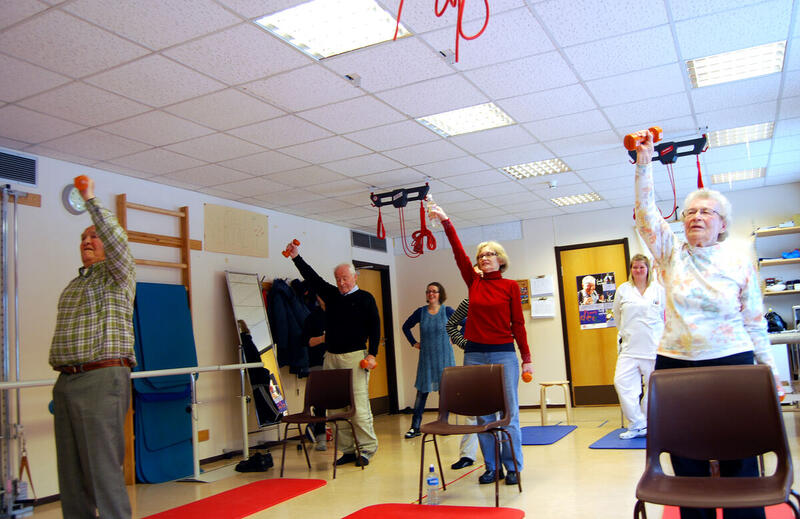
Osteoporosis weakens bones progressively and silently — it usually doesn't hurt until a fracture happens — which makes it especially relevant in older age, where a fracture (of the hip, especially) can have consequences that go far beyond the bone itself, seriously affecting future mobility and independence. Understanding what it is and what can be done about it completely changes how you approach it, instead of only discovering it after a preventable fracture.
Why it becomes more common with age
Bone mass naturally declines over the years, and in women that process speeds up after menopause due to falling estrogen levels. On top of that come factors like less sun exposure, diets lower in calcium and vitamin D, and less weight-bearing physical activity — all of which together raise the risk of fragility fractures. Men also develop osteoporosis, though more gradually, and it's often diagnosed later precisely because it's mistakenly seen as a women-only issue.
The difference between osteopenia and osteoporosis
Before reaching osteoporosis itself, there's an intermediate stage called osteopenia, where bone density is already below normal but hasn't yet reached the threshold that defines osteoporosis. This is, in many ways, the best time to act: lifestyle changes and, in some cases, preventive treatments have more room to slow progression toward full osteoporosis when caught at this intermediate stage, rather than waiting for an already-advanced diagnosis with a higher risk of imminent fracture.
Prevention measures backed by real evidence
- Weight-bearing exercise (walking, climbing stairs) and strength training, adapted to each person's physical ability.
- Adequate calcium and vitamin D intake, ideally assessed by a professional.
- Moderate, safe sun exposure, as a natural source of vitamin D.
- Avoiding tobacco and moderating alcohol, both linked to greater bone loss.
- Periodic bone density scans as medically indicated, especially for postmenopausal women.
Foods that help (and ones worth moderating)
Dairy, fish with edible bones (like canned sardines), dark leafy greens, and nuts provide calcium naturally, while vitamin D mainly comes from sun exposure and some fatty fish, though supplementation is often needed at this stage due to reduced skin synthesis. On the other end, very high sodium intake promotes calcium loss through urine, and very high, sustained caffeine intake has also been linked to greater bone loss — none of these factors acts dramatically on its own, but combined with other risks, they can add up meaningfully.
What happens after an osteoporosis diagnosis
An osteoporosis diagnosis doesn't mean a fracture is inevitable — it means an active management plan is needed, which can range from specific supplementation to, in some cases, medication designed to slow bone loss or even stimulate new bone formation. The decision on which treatment to follow depends on individual factors only a specialist physician can properly assess, considering the degree of bone loss, other risk factors, and the person's overall health.
The home environment also protects bones
Beyond diet and exercise, adapting the physical environment reduces the risk of a fall turning into a fracture: non-slip flooring, grab bars where needed, and shoes with good grip are measures that work alongside bone health itself. Thinking of fracture prevention as a combination of 'stronger bones' and 'a safer environment,' instead of tackling only one of the two fronts, gives far more solid results than any single measure alone.
How to assess risk before a first fracture happens
There are specific tools, used by doctors worldwide, that estimate an individual's risk of a fracture over the next ten years by combining various factors — age, sex, weight, personal and family fracture history, corticosteroid use, tobacco and alcohol use, and in some cases a prior bone density scan — into a single score that helps a doctor decide whether to start active preventive treatment, beyond the general lifestyle recommendations given to everyone alike. This kind of individualized risk assessment is especially valuable before a first fracture happens, because once one has occurred, the risk of a second one rises considerably, and many early prevention opportunities have already been missed. Asking the primary care doctor directly whether this kind of risk assessment is appropriate, instead of waiting for it to be offered spontaneously, is a simple, proactive way to get ahead of the problem instead of reacting only after a first fracture, when the room for preventive action is already much more limited than before.
Differences between men and women in diagnosis
Although osteoporosis is more common and better studied in women, largely due to its direct link with menopause, men aren't exempt from the problem — in fact, when a man suffers a fragility fracture, the consequences tend to be more severe on average, in part because the condition is caught later, since it isn't part of the routine screening systematically offered to postmenopausal women. An older man with risk factors like low body weight, prolonged corticosteroid use, a family history of fractures, or low testosterone levels should actively bring up bone health with his doctor, instead of assuming it's a topic that 'doesn't apply' to him because of his gender. The diagnosis gap between men and women is, in large part, a problem of lack of active screening rather than a real difference in underlying risk when those risk factors are present.
Fall prevention is, in practice, fracture prevention
In a person with fragile bones, even a minor fall can lead to a serious fracture. That's why preventing falls and taking care of bone health go hand in hand — working on only one of the two leaves the other half of the risk unaddressed. If osteoporosis is suspected or there's a family history, seeing a specialist is the right step to define a care plan tailored to each case, which in many cases combines lifestyle changes, specific supplementation, and periodic follow-up scans to check whether the chosen plan is actually working or needs further adjustment over time.